Acer, Asus and Lenovo gaming laptops with DDR5 memory, NVMe storage and high refresh IPS or OLED panels, from affordable builds to premium 4K configurations.
Gaming Laptops
Gaming laptops sit at the top of the portable performance range, built around discrete graphics, fast panels and cooling sized for long sessions under load. Most buyers in this section fall into three groups: competitive players who want frame rates away from a desk, students who game between coursework, and creators who render on the same machine they play on.
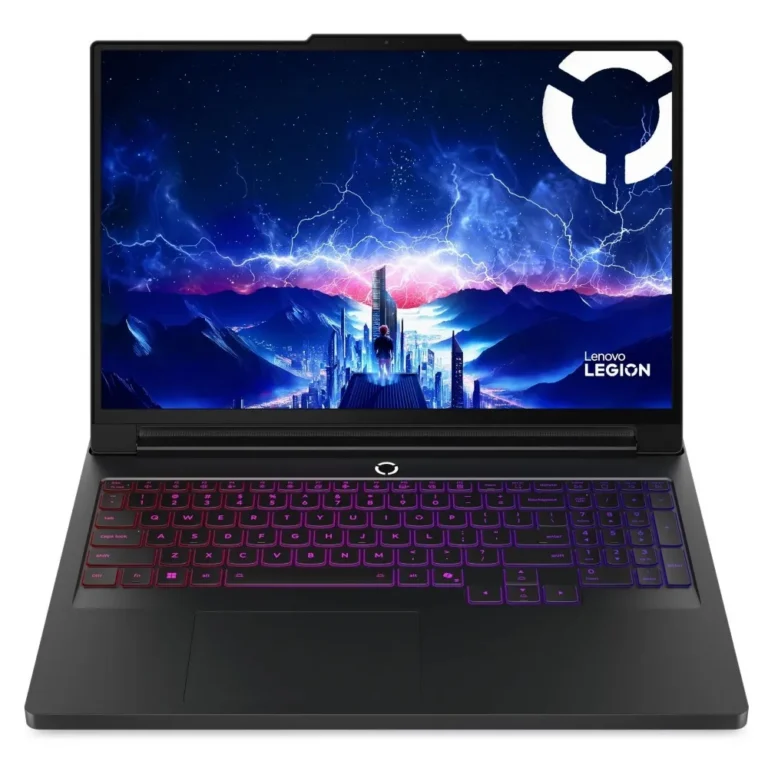
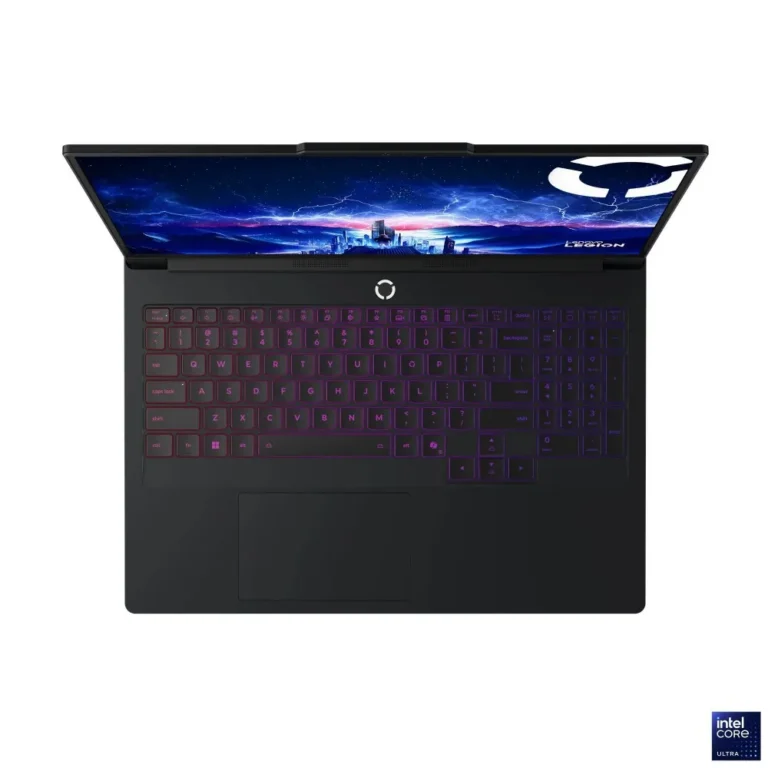
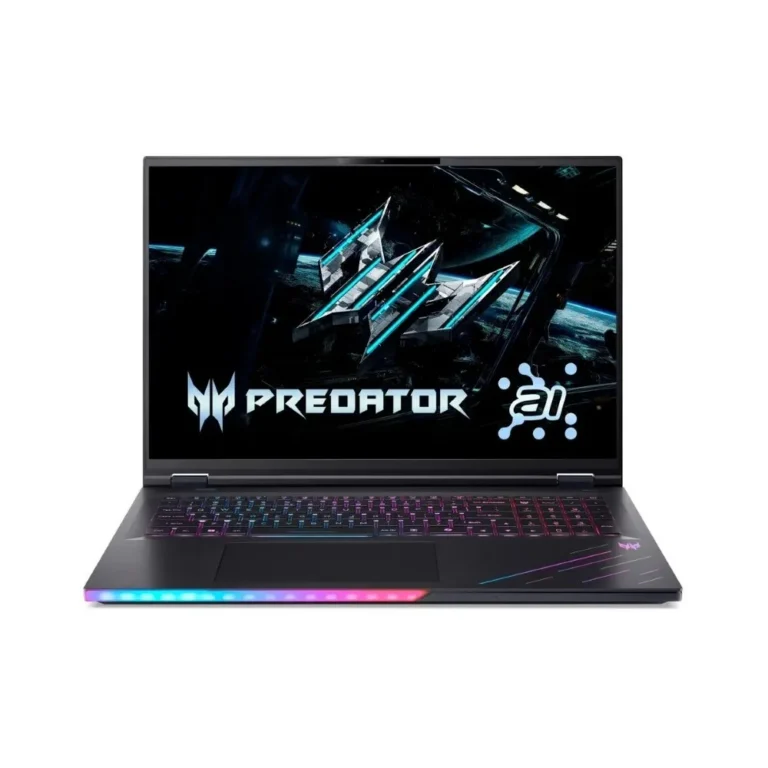
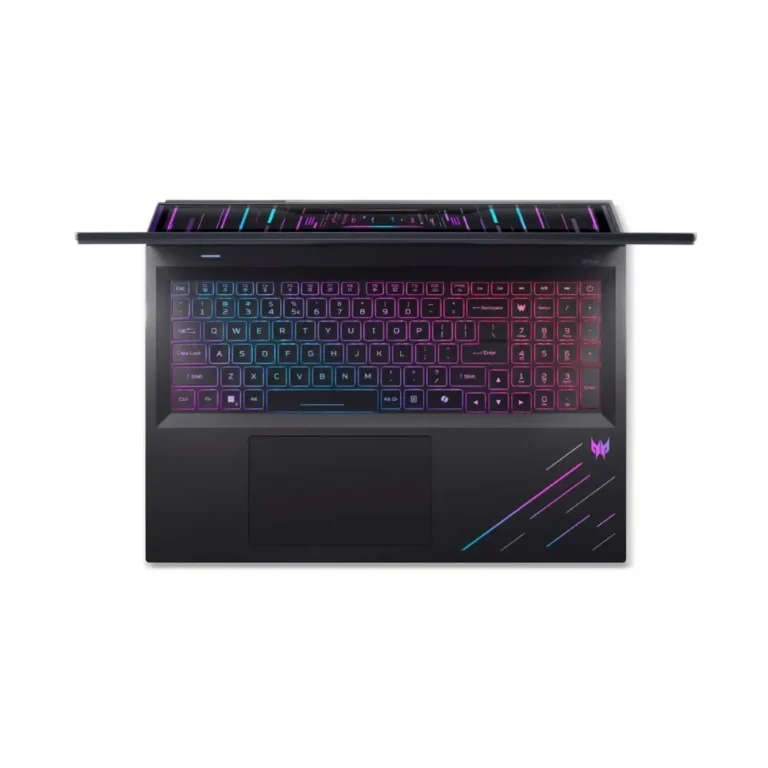
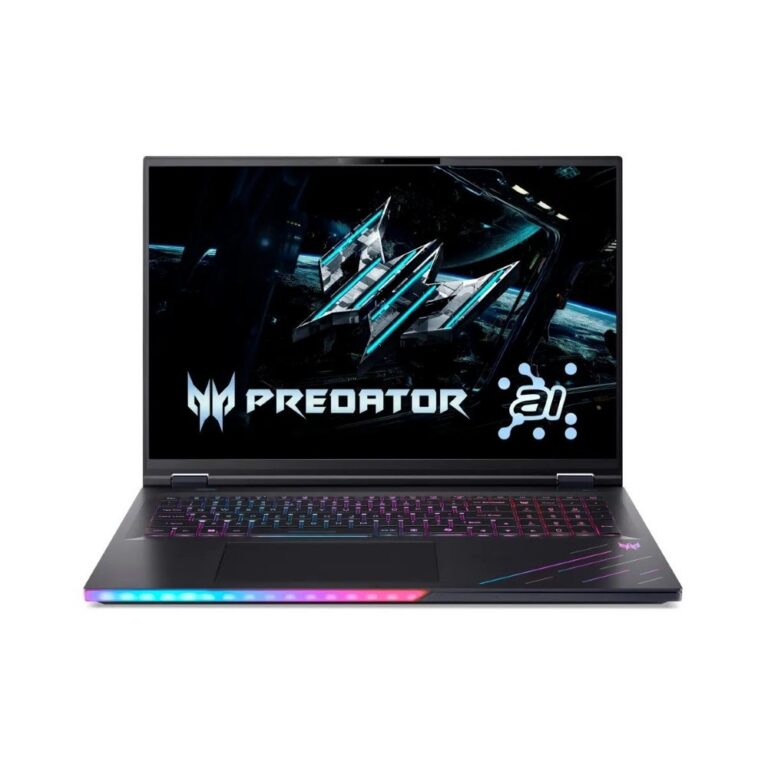
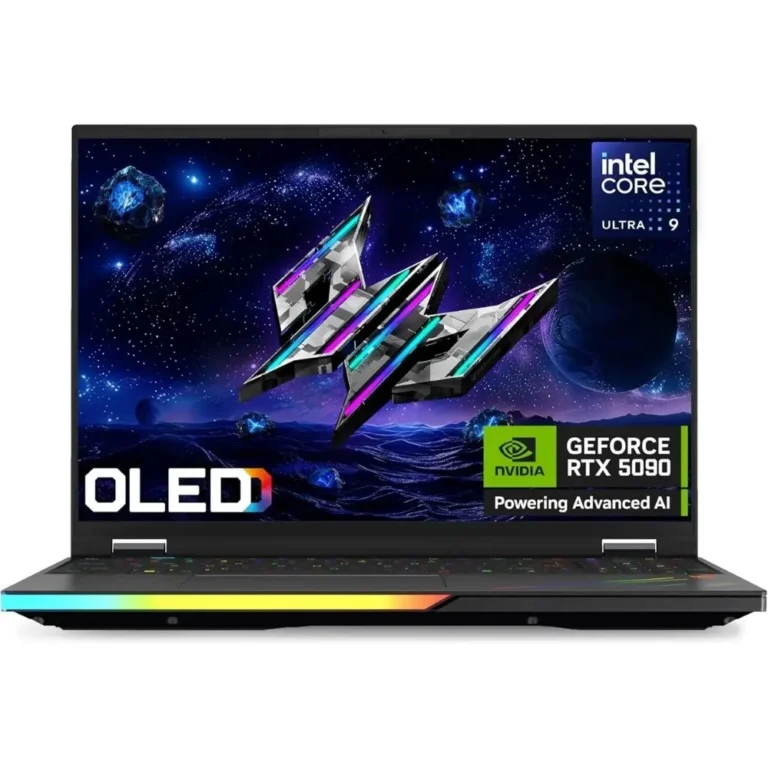
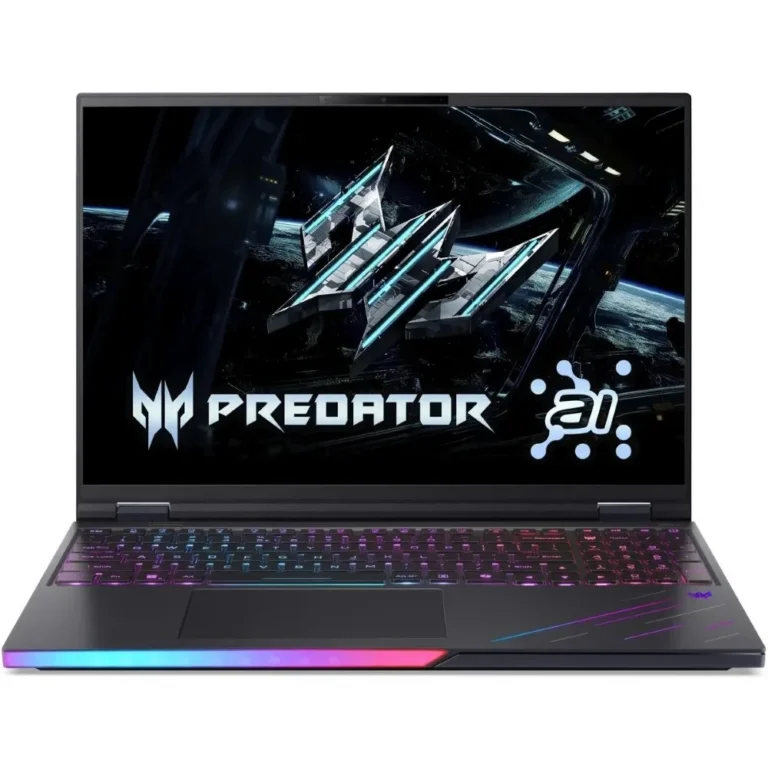
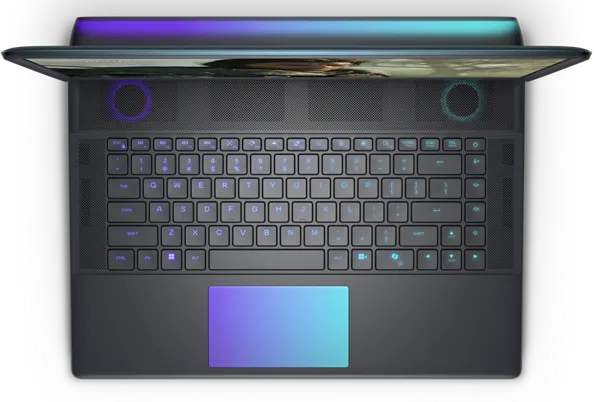
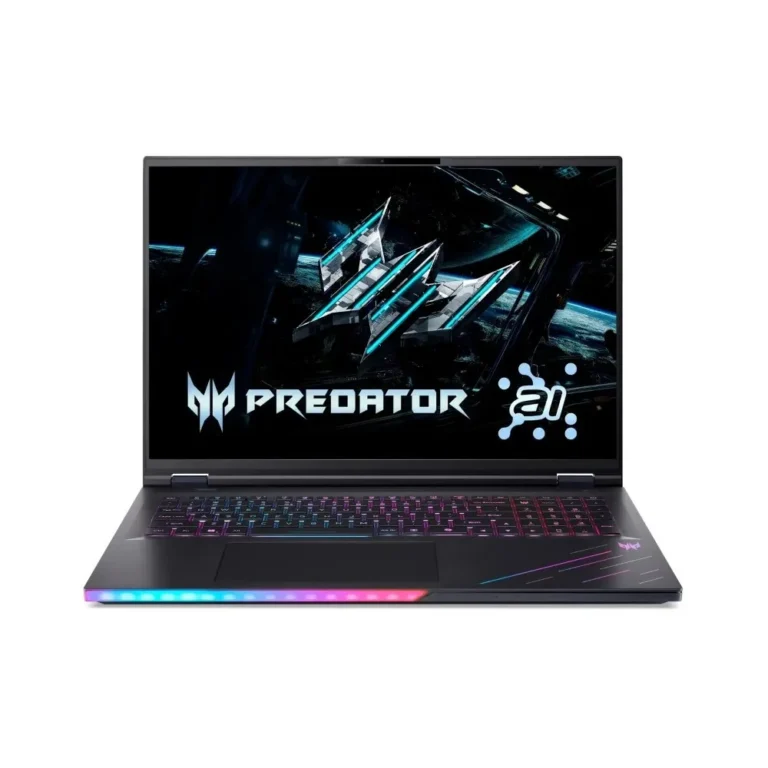
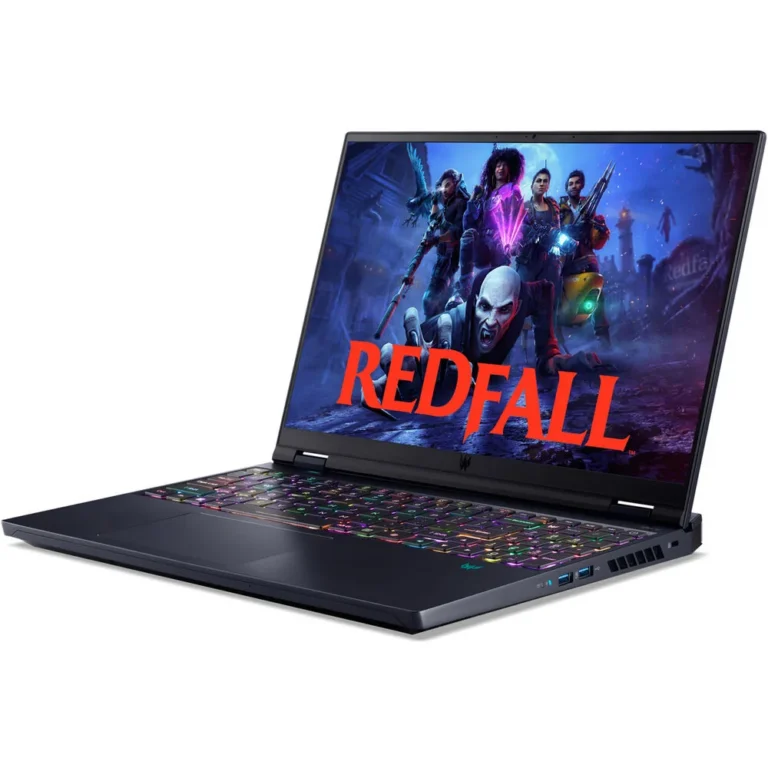
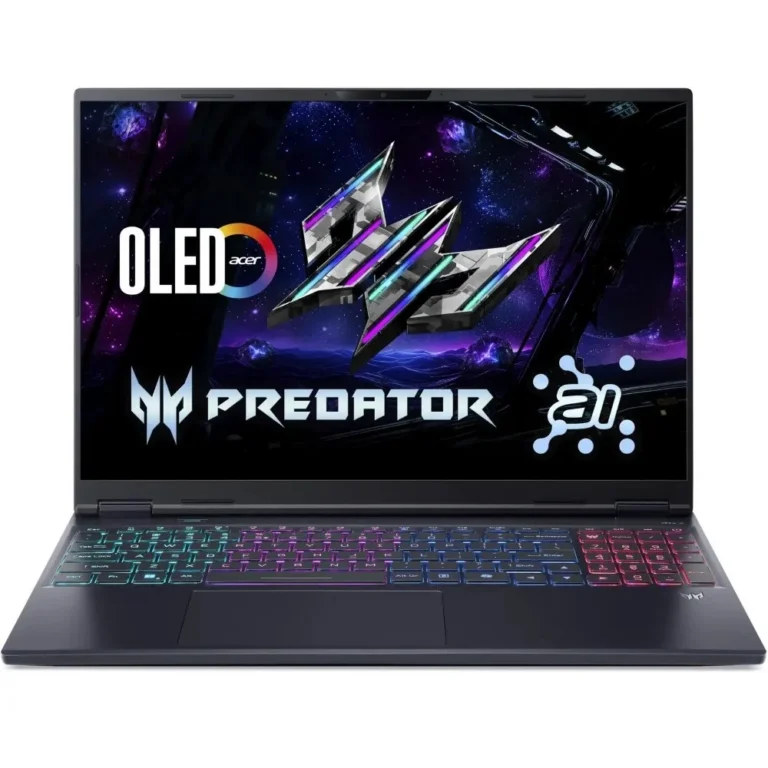
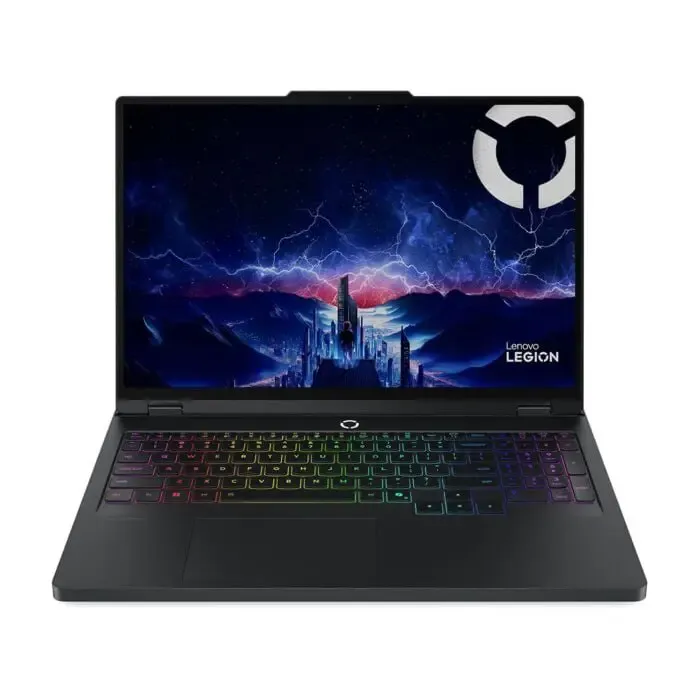
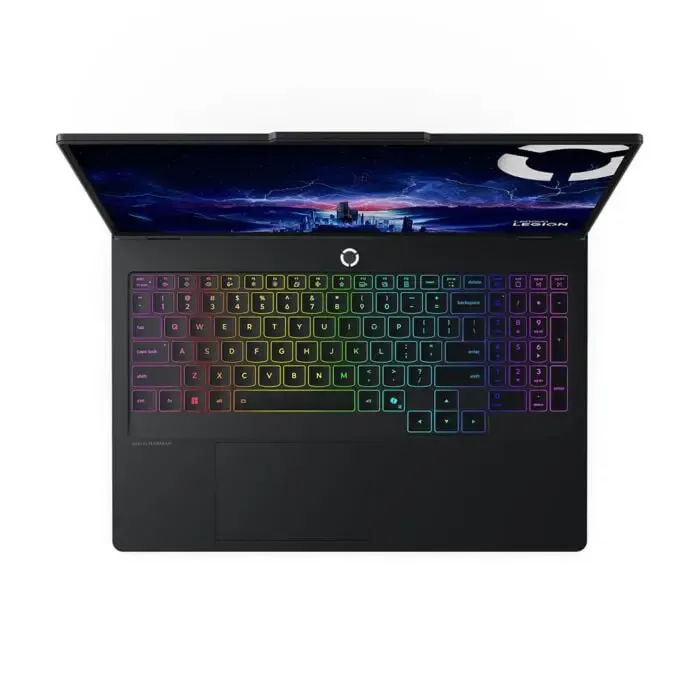
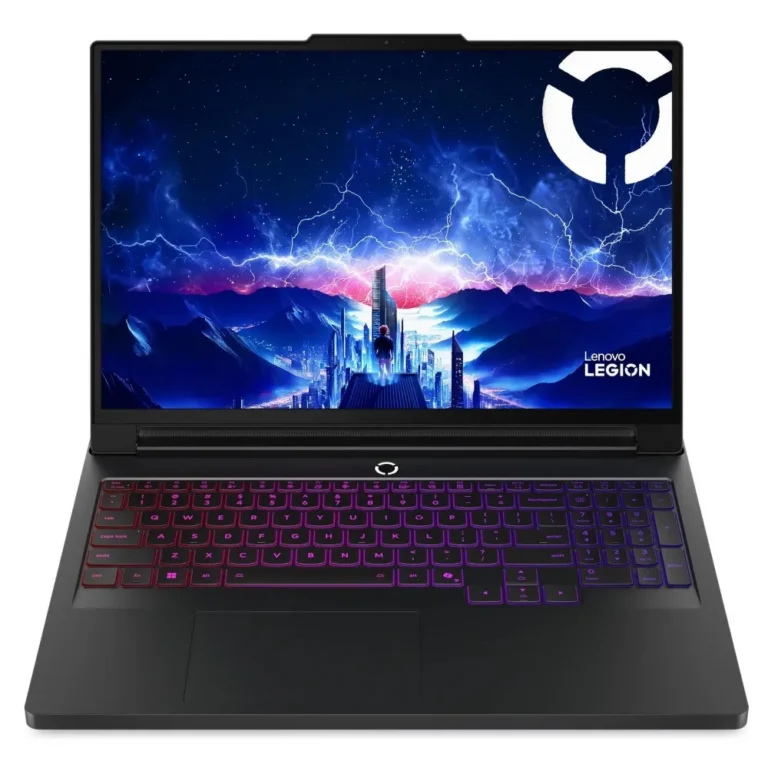
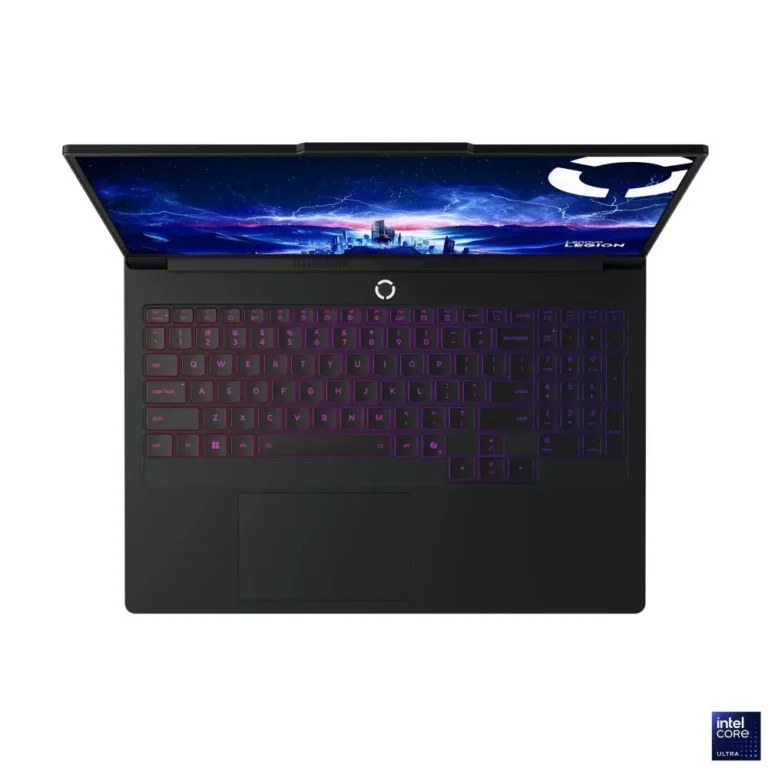
Three brands carry this section. Acer Predator Helios configurations run 64GB or 96GB of DDR5 with 2TB SSD storage and 24GB of graphics memory, on either a 240Hz OLED panel or a 4K IPS Mini LED panel at 120Hz. Lenovo Legion Pro builds pair 32GB DDR5 with 1TB or 2TB NVMe storage on PCIe 5, behind 240Hz OLED or IPS screens, with per-key RGB backlighting. Asus ROG Strix SCAR models sit alongside them with 32GB memory and 2TB SSD storage. The price spread runs from entry level machines through to premium configurations.
Panel choice is the first decision and it splits two ways. A 240Hz OLED or IPS screen suits shooters and anything where frame pacing decides the round. A 4K panel at 120Hz trades that refresh rate for pixel count, which pays off in colour work and detailed scenes. Memory is the second call: 32GB of DDR5 covers gaming on its own, while 64GB and 96GB earn their cost when you stream, keep a timeline open or run virtual machines beside a game. Storage is the third. A 1TB drive fills once you keep a few large titles installed, so a 2TB NVMe drive on PCIe 5 gives you room and shorter load times.
Matching a machine to how you play
A player who runs ranked matches most evenings should start with the 240Hz options and treat storage as the upgrade to make later. Someone carrying the machine between home and campus can take a 32GB, 1TB build and keep the budget for a cooling pad and a spare charger. Editors and 3D artists who game after hours get more from 64GB or 96GB of DDR5 and a 4K screen than from the higher refresh rate. If you already own a monitor, the built in panel matters less and memory or storage is the better place to spend.
Warranty terms differ between units. Some are listed with official warranty and others with international warranty, and the product page states which one applies before you order. Our showroom is in Karachi, and we ship nationwide across Pakistan. Payment works by cash on delivery or online payment, whichever suits you.
Check the operating system line on the listing. Some units ship with Windows 11 preinstalled and others arrive with FreeDOS, which leaves the licence and the install to you. That gap changes what you pay in total, so read it before you compare two machines that look close on paper.

 AcerAcer 51
 AsusAsus 48
 DellDell 9
 GigabyteGigabyte 1
 LenovoLenovo 63
 MSIMSI 20
 RazerRazer 1