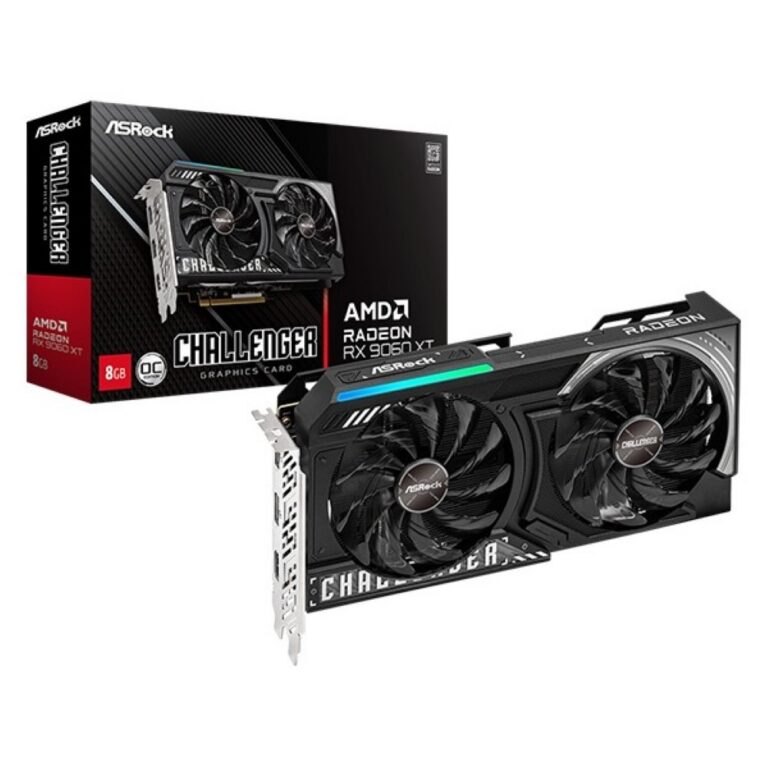
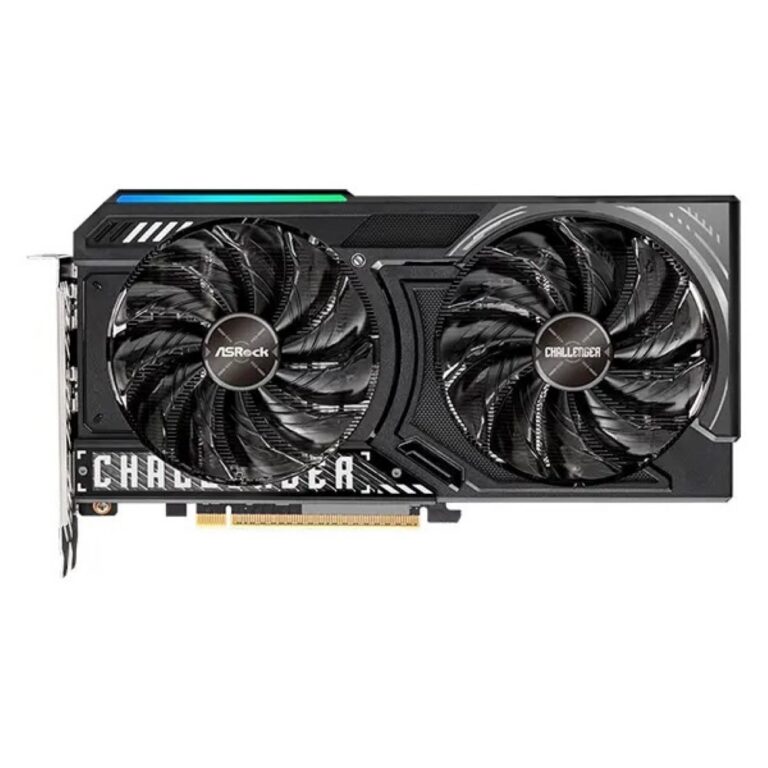
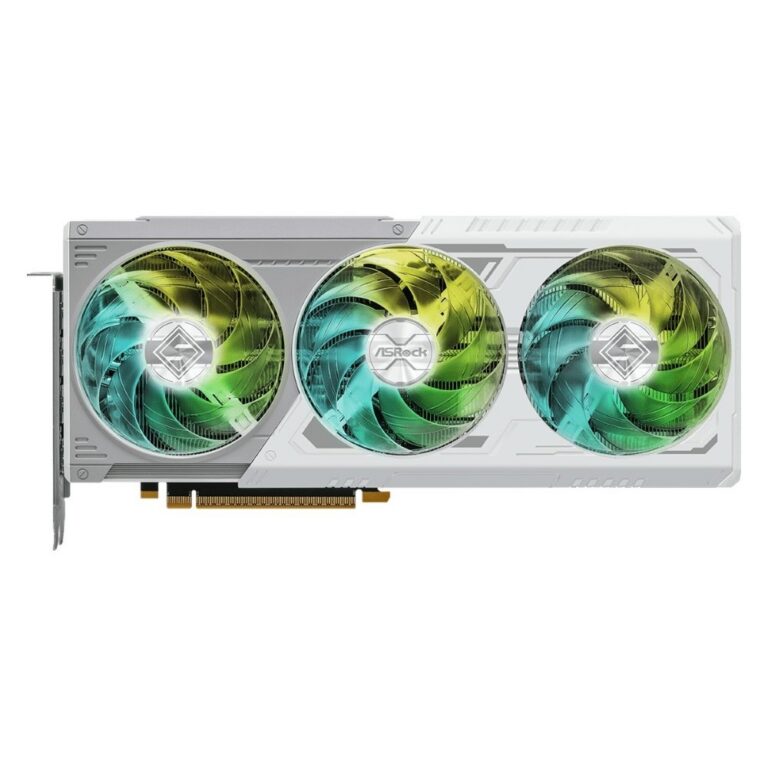
ASRock builds graphics cards on both AMD and Intel GPUs, with 8GB, 12GB and 16GB memory options. A small, focused range shipped across Pakistan.
ASRock Graphics Cards in Pakistan
ASRock graphics cards in Pakistan sit in an unusual corner of the GPU market, because ASRock builds boards on AMD silicon and on Intel silicon rather than committing to a single chip supplier. Most buyers reaching this section are putting together a desktop for gaming or content work and want the card from a brand they know from motherboards.
The selection here is short and worth reading in full rather than filtering. Memory runs across 8GB, 12GB and 16GB, so the section covers a mainstream card, a middle option and a larger buffer for heavier scenes and textures. One model pairs ASRock with an AMD GPU, another pairs ASRock with an Intel GPU. Pricing spans entry level through to premium, which means the cheapest and the dearest card in this section serve different builds.
Three decisions settle the choice. Memory comes first, since an 8GB card handles competitive titles at moderate settings while 12GB and 16GB give room for high texture presets, multiple monitors and editing timelines. Power comes second: the ASRock Intel card in this section quotes 650W as its system requirement, so check the rating on your PSU and the number of PCIe connectors it offers before you order. Cooling and clearance come third, because these cards use multi fan shrouds that run long, and a mid tower with a drive cage in the way will not close.
Who each card suits
Someone rebuilding an older office tower into a gaming machine will get further with the 8GB card and a modest PSU than with a larger board that the supply cannot feed. A buyer editing footage, running 3D previews or keeping many browser tabs and a game open at once should move to the 12GB or 16GB card, where the extra memory stops the stutter that comes from swapping textures. If your workflow leans on Intel media tools or you want the Intel GPU driver stack in the build, the ASRock Intel card is the one to look at; if you are matching an existing AMD system, take the AMD board.
Mega Computer stocks these cards at the Karachi showroom, where you can see the card length against your own case measurements before paying. Orders ship with nationwide delivery across Pakistan, and you can settle by cash on delivery or online payment. Warranty terms differ by model, so confirm the cover on the card you want at the time of purchase and keep the box and invoice, since both are asked for on any GPU claim.