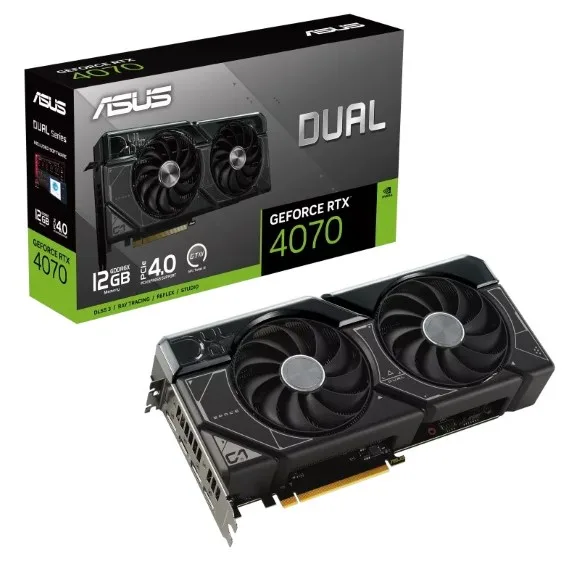
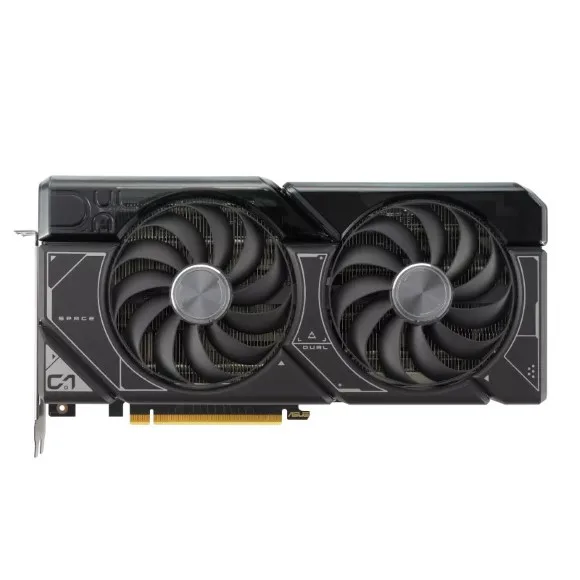
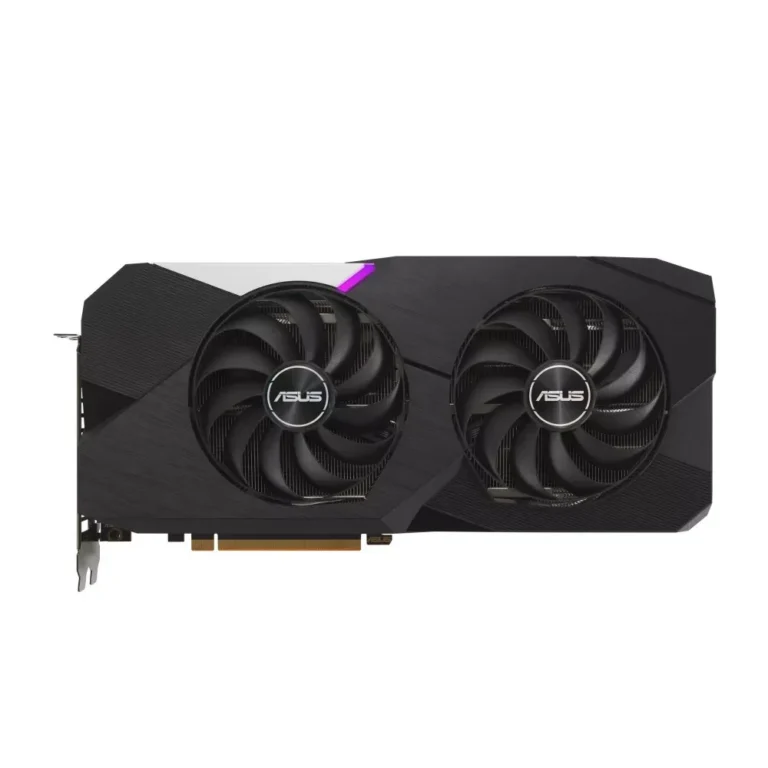
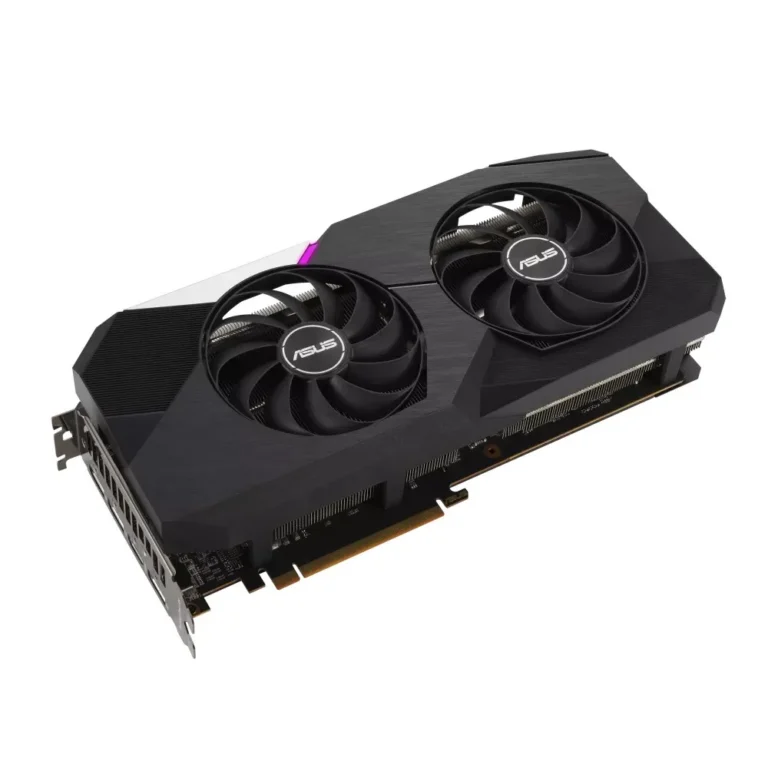
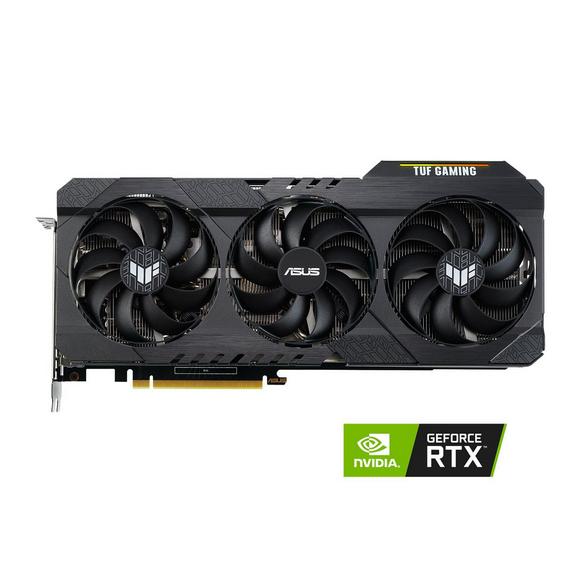
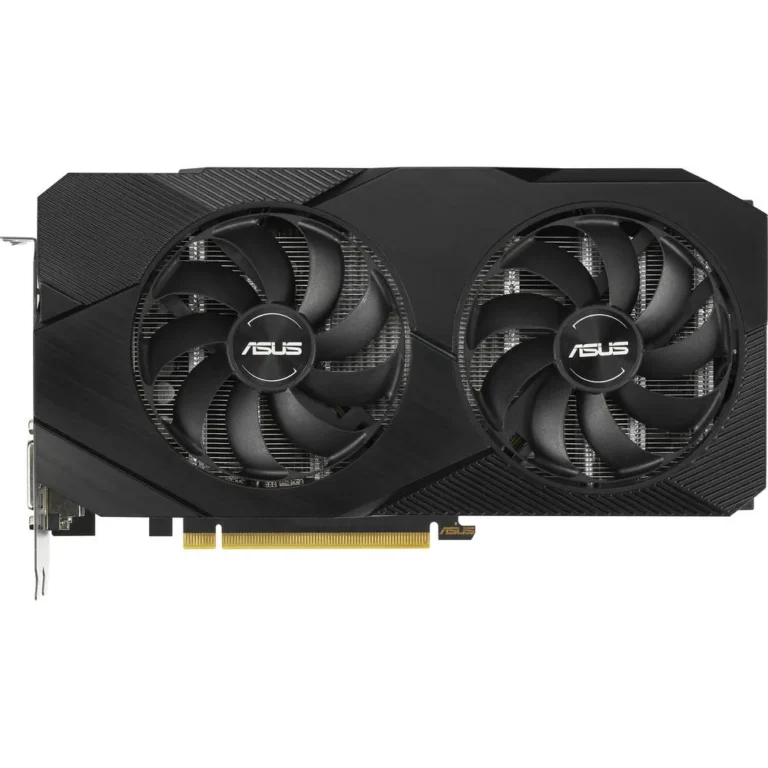
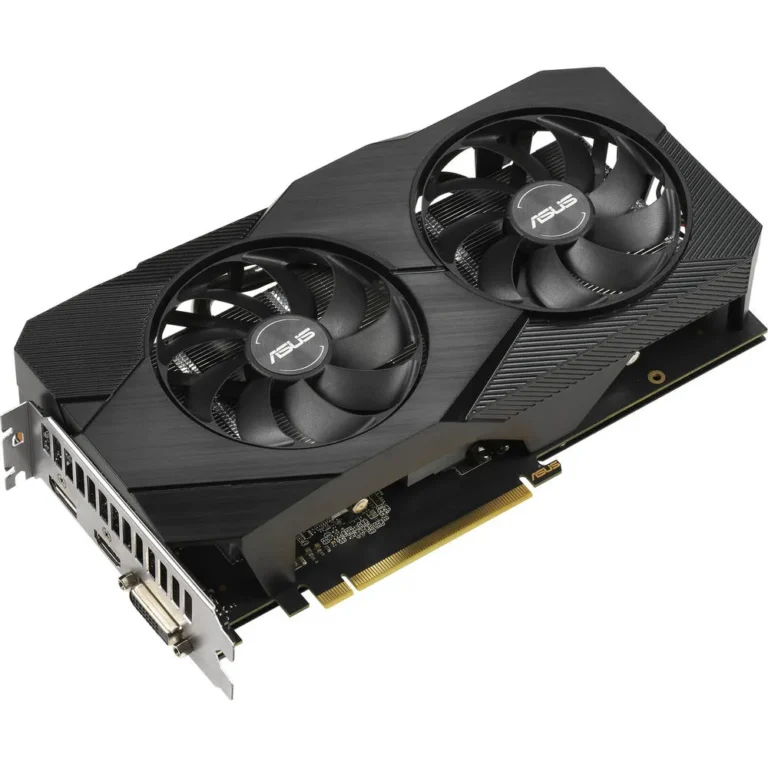
Used Asus graphics cards in 8GB, 12GB and 24GB capacities, from entry level through to premium, with showroom inspection in Karachi and nationwide delivery.
Used Asus GPUs in Pakistan
Used Asus GPUs give gamers and workstation builders a way to buy more video memory than the same budget would cover on a sealed card. Every card in this group carries the Asus name, so cooler design and fan behaviour stay familiar across the range. Buyers come here when a build has a fixed budget and the graphics card is the part holding back frame rates.
Capacity is the clearest divide in this group. Cards start at 8GB, step through 12GB, and reach 24GB at the top of the range, and the price ladder follows the same order, entry level at the small capacity end and premium at the large one. Asus is the single brand on this page, which strips the comparison down to three things: how much memory you need, how much cooler you can fit, and what resolution you want to drive.
Three decisions settle most purchases.
- Match memory to your target resolution first, because 24GB pays for itself when you drive 4K or hold large project files in memory, while 8GB and 12GB cards aim at everyday gaming panels.
- Then measure the case. Asus coolers on the higher capacity cards run long and thick, and a card that fouls the drive cage becomes a return.
- Last, check what your PSU can hold, since a 24GB card asks far more from the rails than an 8GB one, and an underfed rail shows up as crashes under load rather than a machine that refuses to boot.
Who each capacity suits
A student assembling a first gaming PC gets the most from the 8GB end, where the money saved moves into a better CPU or a larger SSD. Someone refreshing a machine that already has a capable processor tends to land on 12GB, which covers demanding titles at high settings without forcing a new power supply. The 24GB card answers a different job, one that belongs to video editors, 3D artists and anyone rendering at 4K, where the memory itself is the reason to buy.
You can inspect any card at the Karachi showroom before you pay, which counts for more with used hardware than with sealed stock. Orders travel by nationwide delivery across Pakistan, and you can settle by cash on delivery or online payment. Warranty cover on used GPUs does not match the terms on new stock, so confirm the terms on the exact card with the team before you commit.
Two compatibility checks save trouble later. Measure the free length in front of your case fans and above the drive bays, then compare it against the card you have in mind. If you are moving up from an older build, confirm that the display connectors on your monitor match the outputs on the card, and plan a driver cleanup before you swap hardware.

 AsusAsus 8